

The hidden psychology behind gambling habits in casinos
The Allure of Risk and Reward
The psychology of gambling is deeply rooted in the human love for risk and the thrill of potential rewards. This attraction is not merely a desire for money, but a complex interplay of emotions, expectations, and social dynamics. When players engage in games of chance, they experience a rush of excitement that can be addictive. The anticipation of a win releases dopamine, a neurotransmitter associated with pleasure, thus reinforcing the gambling behavior. This makes the experience both exhilarating and potentially dangerous for those who might lose control. For instance, if you’re looking for a reputable platform, spinimax.net offers an extensive range of games to satisfy your gaming cravings.
Moreover, the idea of winning big can sometimes overshadow the reality of losing, creating a skewed perception of risk. Many players have a cognitive bias known as the ‘gambler’s fallacy’, where they believe that past losses increase the chances of future wins. This flawed reasoning drives them to continue playing, hoping for a turnaround that may never come. The casino environment cleverly plays into this mindset, reinforcing the idea that luck can change at any moment, making it hard for players to walk away.
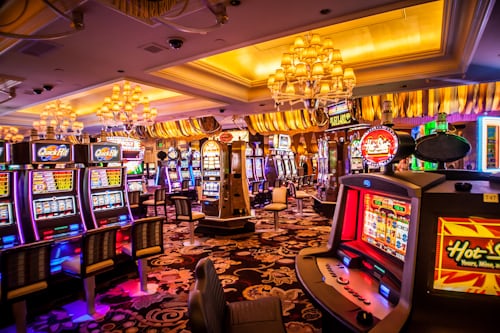
Additionally, the design of casino environments is intentionally crafted to enhance this sense of excitement. Bright lights, alluring sounds, and strategically placed slot machines keep players engaged longer. This sensory overload heightens emotional arousal, making it easy to lose track of time and money spent. By understanding these psychological triggers, casinos can effectively captivate their audience, often leading to patterns of compulsive gambling.
The Role of Social Influence
The social aspects of gambling cannot be understated. Many individuals are drawn to casinos not just for the games, but for the camaraderie and shared experiences with fellow gamblers. Social dynamics often encourage individuals to gamble more, as they seek acceptance and approval from their peers. Group outings to casinos can create a party-like atmosphere, where the thrill of winning is amplified by communal celebrations. This social reinforcement can lead players to engage in more significant betting than they would typically consider alone.
Peer pressure also plays a crucial role in gambling habits. Individuals may feel compelled to participate or continue playing to fit in with their friends or companions, even if they are losing money. This phenomenon is exacerbated in environments where social interactions are common, like at live poker tables or group betting activities. Players may rationalize their decisions based on the behaviors and attitudes of those around them, which can lead to increased gambling frequency and amount wagered.
Furthermore, the presence of role models in gambling can have a profound effect. Many players idolize professional gamblers or celebrities associated with successful gambling. This admiration can encourage novices to adopt similar habits or risk-taking behaviors, believing they can achieve similar success. The glamorization of high-stakes gambling in media can also mislead individuals about the realities of risk and loss, prompting them to develop unhealthy gambling habits influenced by misguided aspirations.
Several psychological triggers can lead individuals to develop specific gambling habits. One of the most significant triggers is stress relief. For some, gambling serves as an escape from everyday pressures. The act of placing bets can provide a temporary reprieve from personal issues, thus becoming a maladaptive coping mechanism. As players experience wins, the immediate gratification reinforces this behavior, further embedding gambling as a means of emotional regulation.
Another essential aspect of gambling psychology is the concept of loss aversion. This principle suggests that individuals prefer to avoid losses rather than acquiring equivalent gains. Players may chase their losses, convinced that they can win back what they’ve lost. This destructive cycle can lead to escalating bets and deeper financial pitfalls. The fear of losing money often overshadows the rational analysis of gambling, as emotions take precedence over logic.
Additionally, impulsivity plays a critical role in gambling behaviors. Many individuals struggle with impulse control, making spontaneous decisions without fully considering the consequences. In a casino setting, the fast pace of games and immediate feedback loops can exacerbate this impulsivity, leading to hasty bets and reckless financial choices. By recognizing these psychological patterns, players can develop strategies to mitigate risk and promote healthier gambling habits.
The Impact of Casino Environment on Behavior
The physical environment of a casino is meticulously designed to influence gambling behavior. Factors such as lighting, sound, and layout create an immersive atmosphere that encourages extended play. For example, the lack of windows and clocks can disorient players, making them lose track of time and increasing the likelihood of longer gambling sessions. This intentional design aims to maximize player engagement and, consequently, casino profits.
Moreover, the layout of gaming machines and tables is strategically arranged to create a flow that keeps players moving deeper into the casino. High-value games are often placed in areas where traffic is heavy, enticing players to stop and play. The positioning of drink service and complimentary offerings also serves to keep players seated longer, further enhancing their gambling experiences. These environmental cues leverage psychological principles to create a space where players feel comfortable spending both time and money.
Additionally, casinos use marketing tactics, such as loyalty programs, to foster a sense of belonging among players. These programs often promise rewards for continued play, reinforcing gambling behavior and creating a cycle of loyalty. Players may feel compelled to return not just for the games but for the benefits associated with their loyalty. This psychological attachment can lead to a deeper investment in their gambling habits, complicating their relationship with risk and reward.
Exploring Spinimax Casino: A Case Study
Spinimax Casino exemplifies the intersection of gaming psychology and innovative design. Launched in 2024, it provides UK players with an extensive library of over 3,000 slot games from leading developers, catering to diverse preferences and play styles. The user-friendly interface and immersive gaming experience reflect the importance of environment in attracting and retaining players. By understanding the psychological triggers at play, Spinimax strategically enhances user engagement, creating a captivating gaming atmosphere.
Furthermore, Spinimax offers enticing welcome bonuses, such as up to €1,000 and 100 free spins, designed to lower the entry barrier for new players. This strategy capitalizes on the thrill of initial wins, encouraging users to explore more games and develop their gambling habits within the platform. The bonus structure not only attracts players but also fosters long-term loyalty, drawing them back for more gambling experiences.
Overall, Spinimax Casino illustrates how modern casinos leverage psychological insights to create engaging experiences. By combining innovative gaming with a keen understanding of behavioral patterns, the casino enhances the gambling experience, ensuring that players remain entertained while navigating the complexities of their gambling habits. The case of Spinimax highlights the growing awareness of psychological factors in casino design and player engagement, paving the way for more responsible gaming practices in the future.